
Midland, TX
Workplace & Desk-Related Strain Massage
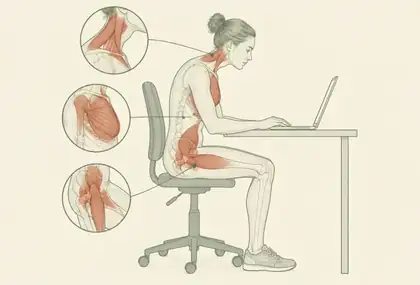
Signs this may help
- Wrist, forearm and mouse-arm strain
- Rounded shoulders
- Tight hips from sitting or driving
What causes it
Hours in one position — at a desk, behind the wheel or on a rig — shorten some muscles and overload others.
What a session involves
We focus on whatever your workday loads most: forearms and neck for desk work, hips and low back for driving.
Every visit starts with a conversation. Here's what to expect on your first visit.
Aftercare
Small changes win: a break every hour, screen at eye level, and getting out of the truck to stretch.
Common question
I drive for work — can you help?
Yes. Long hours driving are one of the most common reasons people in the Basin come to see me.
Who this may be for
Workplace & Desk-Related Strain Massage is a focused massage option, not a diagnosis or a promise that one technique fits everyone. People who notice ordinary neck, shoulder, or back tension after desk work, driving, or repetitive tasks. I begin by listening and checking what you want from the visit. You remain in control of pressure, positioning, and whether we continue. There is no need to tolerate discomfort to make a session worthwhile. The best starting point is the concern that matters most in daily life, whether that is sitting, walking, sleeping, working, or returning to an activity. We can keep the first visit straightforward and discuss only what is needed to make the session comfortable.
How massage differs from other care
Massage may ease muscle tension for some people, but it does not correct every ergonomic issue or diagnose a work-related injury. It is different from physical therapy, which can assess function and guide a rehabilitation program. I do not coordinate or override another provider’s plan. If you are receiving care elsewhere, tell me what restrictions or advice you have been given. When appropriate, massage can be one supportive choice among several, with each provider working within their own role.
What progress may look like
In a session, We talk about your workday and what feels strained. I may address the surrounding muscles and suggest a simple comfort-focused adjustment, such as taking movement breaks, without presenting it as a cure. The session is adapted to your tolerance and priorities. I check in as we go, because your comfort can change from one area or moment to the next. The plan is not fixed if something does not feel right. Progress is not always a straight line. A demanding day, activity, or change in health can affect how you feel. We will not judge success by how much pressure you can tolerate or by a fixed number of appointments. The decision to continue belongs to you.
Between-session habits
There is no single timeline or guaranteed result. A useful change might be that an everyday movement feels easier, an area feels less guarded, or you feel more comfortable for a while. Sometimes the difference is small, short-lived, or absent. We can compare how you felt before and after, using your own goals rather than a promised outcome. If the work aggravates symptoms or nothing seems helpful, tell me. We can adjust, pause, or decide massage is not the right next step. Rest if you feel you need it, and use normal daily activity as your guide. If a habit consistently brings on symptoms, consider changing position or taking a short break, provided that is practical for you. These are general comfort ideas, not a personalized rehabilitation prescription.
When to speak with a doctor first
Between visits, keep things simple and within your comfort. Notice how ordinary movement feels, take breaks from positions that leave you stiff, and follow any home-care directions from your medical team. Gentle movement may be reasonable if it feels okay, but do not push through worsening pain or try an unfamiliar stretch because of something you read here. There is no special routine required. A brief note about what changed, what helped, and what did not can help guide a future conversation. A massage appointment should not delay care for a potentially urgent problem. If a clinician has asked you to avoid massage, follow that direction and check with them before making plans. Share relevant precautions with me so I can make an informed decision about whether to proceed.
Getting started by text
Please seek medical advice before massage when symptoms are new, severe, unexplained, rapidly worsening, or worrying to you. Sudden weakness, loss of sensation, trouble controlling bladder or bowel function, chest pain, trouble breathing, fever with significant pain, or a serious recent injury calls for prompt medical attention rather than a massage appointment. For this concern, Massage may ease muscle tension for some people, but it does not correct every ergonomic issue or diagnose a work-related injury. It is different from physical therapy, which can assess function and guide a rehabilitation program. If you are unsure whether it is appropriate to book, contact your healthcare provider first. I do not diagnose or provide emergency care. Integrity Massage is a small practice with one therapist and one room. I have an A+ BBB rating since 2014 and 39+ five-star reviews. Those facts do not guarantee a particular result, but they may help you learn about the practice. No insurance is billed; receipts for HSA/FSA are available on request.
Let's start with a conversation.
Text me what's going on and I'll reply personally.