
5 Everyday Posture Habits That Quietly Keep Your Neck and Lower Back Sore
Small habits, big effects. Most of them are easy to change.
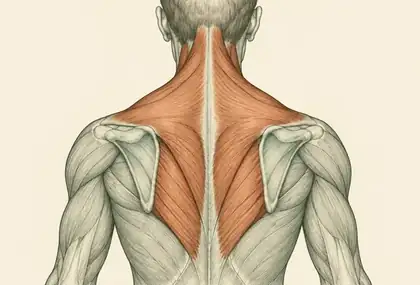
1. Looking down at your phone. Raise it closer to eye level.
2. Sitting on your wallet. It tilts your pelvis all day.
3. Always carrying a bag on the same shoulder. Switch sides.
4. Sleeping on your stomach with your head turned. Try your side with a supportive pillow.
5. Driving with the seat reclined too far. Sit up so your head rests near the headrest.
Look for patterns, not blame
The existing article offers a starting point, not a complete answer. look for patterns, not blame is a useful place to begin. I take time to hear what matters to you, what you hope to get from a visit, and what would make the experience feel comfortable. I do not assume that every person wants the same pressure, pace, or focus. We can talk through what feels appropriate, and you can ask me to adjust at any point. My work is massage therapy, not medical diagnosis or medical treatment. If a concern belongs with a doctor, I will say so plainly. A good session starts with clear communication rather than a set routine. Tell me what has changed, what you have already tried, and whether there are areas you would like me to avoid. You do not need special language to explain it. Everyday descriptions are enough. I will explain my approach in straightforward terms and check in as we go. There is no need to push through discomfort to prove anything. In practical terms, look for patterns, not blame also means keeping expectations realistic and making choices together. A single visit is not a promise of a particular result. Bodies and circumstances differ, and I cannot guarantee an outcome. I can offer careful hands-on work, attention, and an honest conversation about whether continuing makes sense. You remain in charge of your comfort throughout.
Vary positions when possible
The existing article offers a starting point, not a complete answer. vary positions when possible is a useful place to begin. I take time to hear what matters to you, what you hope to get from a visit, and what would make the experience feel comfortable. I do not assume that every person wants the same pressure, pace, or focus. We can talk through what feels appropriate, and you can ask me to adjust at any point. My work is massage therapy, not medical diagnosis or medical treatment. If a concern belongs with a doctor, I will say so plainly. A good session starts with clear communication rather than a set routine. Tell me what has changed, what you have already tried, and whether there are areas you would like me to avoid. You do not need special language to explain it. Everyday descriptions are enough. I will explain my approach in straightforward terms and check in as we go. There is no need to push through discomfort to prove anything. In practical terms, vary positions when possible also means keeping expectations realistic and making choices together. A single visit is not a promise of a particular result. Bodies and circumstances differ, and I cannot guarantee an outcome. I can offer careful hands-on work, attention, and an honest conversation about whether continuing makes sense. You remain in charge of your comfort throughout.
Make small adjustments
The existing article offers a starting point, not a complete answer. make small adjustments is a useful place to begin. I take time to hear what matters to you, what you hope to get from a visit, and what would make the experience feel comfortable. I do not assume that every person wants the same pressure, pace, or focus. We can talk through what feels appropriate, and you can ask me to adjust at any point. My work is massage therapy, not medical diagnosis or medical treatment. If a concern belongs with a doctor, I will say so plainly. A good session starts with clear communication rather than a set routine. Tell me what has changed, what you have already tried, and whether there are areas you would like me to avoid. You do not need special language to explain it. Everyday descriptions are enough. I will explain my approach in straightforward terms and check in as we go. There is no need to push through discomfort to prove anything. In practical terms, make small adjustments also means keeping expectations realistic and making choices together. A single visit is not a promise of a particular result. Bodies and circumstances differ, and I cannot guarantee an outcome. I can offer careful hands-on work, attention, and an honest conversation about whether continuing makes sense. You remain in charge of your comfort throughout.
Consider the whole routine
The existing article offers a starting point, not a complete answer. consider the whole routine is a useful place to begin. I take time to hear what matters to you, what you hope to get from a visit, and what would make the experience feel comfortable. I do not assume that every person wants the same pressure, pace, or focus. We can talk through what feels appropriate, and you can ask me to adjust at any point. My work is massage therapy, not medical diagnosis or medical treatment. If a concern belongs with a doctor, I will say so plainly. A good session starts with clear communication rather than a set routine. Tell me what has changed, what you have already tried, and whether there are areas you would like me to avoid. You do not need special language to explain it. Everyday descriptions are enough. I will explain my approach in straightforward terms and check in as we go. There is no need to push through discomfort to prove anything. In practical terms, consider the whole routine also means keeping expectations realistic and making choices together. A single visit is not a promise of a particular result. Bodies and circumstances differ, and I cannot guarantee an outcome. I can offer careful hands-on work, attention, and an honest conversation about whether continuing makes sense. You remain in charge of your comfort throughout.
When hands-on work may fit
The existing article offers a starting point, not a complete answer. when hands-on work may fit is a useful place to begin. I take time to hear what matters to you, what you hope to get from a visit, and what would make the experience feel comfortable. I do not assume that every person wants the same pressure, pace, or focus. We can talk through what feels appropriate, and you can ask me to adjust at any point. My work is massage therapy, not medical diagnosis or medical treatment. If a concern belongs with a doctor, I will say so plainly. A good session starts with clear communication rather than a set routine. Tell me what has changed, what you have already tried, and whether there are areas you would like me to avoid. You do not need special language to explain it. Everyday descriptions are enough. I will explain my approach in straightforward terms and check in as we go. There is no need to push through discomfort to prove anything. In practical terms, when hands-on work may fit also means keeping expectations realistic and making choices together. A single visit is not a promise of a particular result. Bodies and circumstances differ, and I cannot guarantee an outcome. I can offer careful hands-on work, attention, and an honest conversation about whether continuing makes sense. You remain in charge of your comfort throughout.
— Bill Britt, LMT
Related services
- Neck & Upper-Back Tension Relief
- Sciatica & Lower-Back Pain Massage
- Workplace & Desk-Related Strain Massage
New here? What to expect on your first visit.