
Midland, TX
Myofascial Release
Signs this may help
- Restricted range of motion
- Tight bands and knots that return
- Postural strain in neck, back or hips
What causes it
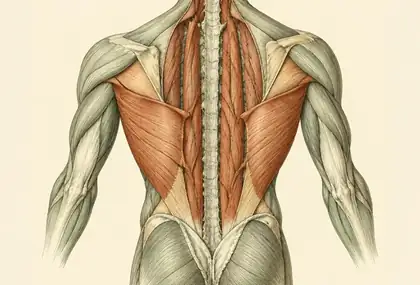
Muscles and their fascia shorten together when they're overused, guarded after injury or held in one position for long periods.
What a session involves
Myofascial release uses sustained, low-force pressure and slow stretches. I'll often work away from where you feel pain, following the line of restriction.
Every visit starts with a conversation. Here's what to expect on your first visit.
Aftercare
Move gently, avoid heavy workouts for a day, and try the simple stretch I show you at the end of your session.
Common question
How many myofascial sessions will I need?
It depends on how long the problem has been there. Many clients notice a change in one to three sessions; long-standing patterns take longer.
A good fit and a sensible goal
I’m Bill Britt, LMT, at Integrity Massage in Midland. This service may suit you if restricted movement, recurring tight bands, or a sense that one area will not lengthen. We start with what is bothering you in daily life: which movement feels limited, when the sensation appears, and what you hope will become easier. You do not need a perfect explanation before you contact me. A clear description in your own words is enough to begin a conversation.
I work one-on-one in one room. I have been licensed since 2005, and my approach is calm, practical, and guided by your feedback. Massage is not a diagnosis or a substitute for medical care. I will not promise a cure. If your needs fall outside massage, I will say so plainly. The aim is to see whether careful hands-on work may be a useful part of your broader care.
What this session is—and is not
People often arrive having tried different kinds of care, including physical therapy, injections, or chiropractic visits. Those approaches have their own purposes, and massage does not replace them. For myofascial concerns, my role is different: hands-on work intended to address muscle and soft-tissue comfort. If a clinician has given you a plan, I can take that into account and stay within the boundaries you have been given.
You remain in control throughout. I check pressure and positioning, and you can ask me to change, pause, or stop at any time. Some people prefer lighter contact; others ask for firmer pressure where it feels comfortable. More pressure is not automatically better. I want the work to feel tolerable and purposeful, not like something you have to endure to earn a result.
How I approach the work
Before starting, we talk through your concern, relevant health history, and any instructions from your doctor or other clinician. Then I explain the plan in plain language. The session is shaped around steady low-force holds and unhurried stretches, with pressure adjusted to your comfort. We can adjust as we go, and I will check in rather than assume that a particular technique feels right for you.
Please tell me about recent procedures, changes in symptoms, medications or health conditions that affect touch, and anything that makes a position uncomfortable. You do not have to share more than is needed for safe care. If I have a concern about whether massage is appropriate, I will ask you to check with your medical provider before we proceed. Your comfort and safety come before completing a planned routine.
What progress may look like
A useful outcome may be small: getting dressed with less effort, turning more comfortably, or feeling less guarded during an ordinary task. For this concern, look for small changes in reach or ease rather than expecting a sudden full return of motion. Responses differ from person to person. Some people notice a short-lived shift; others see little change, or need a different kind of support. I do not set a guaranteed number of visits or promise a particular result.
We can use your everyday experience to decide what makes sense next. Tell me what changed, what did not, and whether anything felt worse afterward. That information helps me adjust pressure, position, or focus. If massage is not helping in a meaningful way, we can reconsider the plan rather than continuing out of habit. You should feel free to ask questions about the reasoning behind the work.
Between visits
Between appointments, keep things simple: gentle movement within comfort and the simple mobility practice we discuss. There is no need to push through discomfort or add a complicated routine. If I suggest a movement, it should feel manageable and appropriate for you; skip it if it causes sharp pain or a clear worsening. Follow any advice from your healthcare team first, especially after surgery or while recovering from an injury.
A short note on what activities felt easier or harder can be more helpful than trying to judge the session immediately. Hydration and ordinary comfortable movement are reasonable, but no special aftercare can guarantee an outcome. If you develop a new symptom or your condition changes, let your clinician know. Massage is one possible supportive service, not a replacement for an evaluation or a treatment plan.
When to get medical advice
Please seek medical advice before booking if you have a new, unexplained, or rapidly worsening problem, or if a clinician has not assessed a concerning change. For myofascial concerns, the appropriate next step depends on your health and circumstances. If you have sudden weakness, new loss of sensation, chest pain, trouble breathing, fever with a worsening condition, or another urgent warning sign, seek prompt medical care rather than massage.
To get started, text me at 432-889-4184, which is the preferred way to reach me. Tell me the service you are considering, what you would like help with, and any timing or medical guidance that matters. I am at 1030 Andrews Hwy, Suite 116, Midland, TX. Hours are Monday through Friday, 9 to 6; evenings and weekends may be arranged. I do not bill insurance, but I can provide HSA/FSA receipts on request. There is no cancellation fee.
Let's start with a conversation.
Text me what's going on and I'll reply personally.